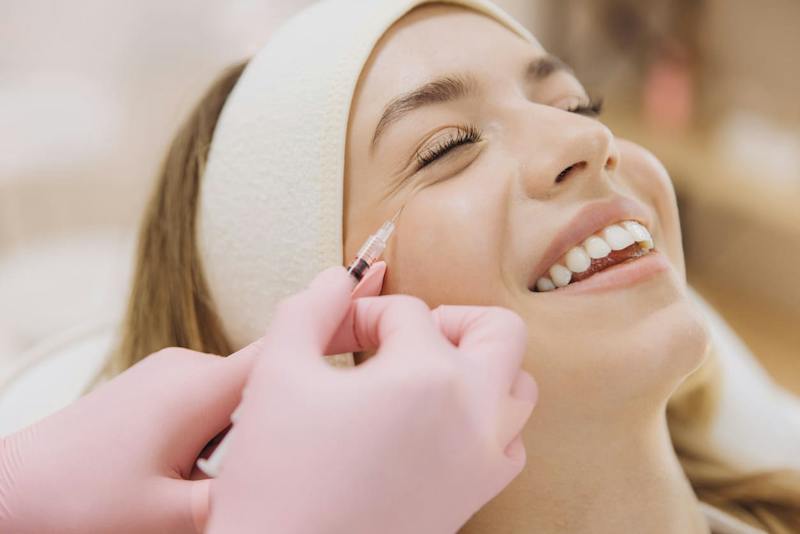
Scroll through social media and you'll see plenty of people in their 20s talking about "preventative Botox" or "baby Botox." The idea is simple: treat fine lines early, before they turn into deep wrinkles. But is it a smart investment or just a trend?
The answer is "it depends," and it depends mostly on your skin, your habits and your goals. Here's an honest look at what preventative Botox can and can't do.
What Is Preventative Botox?
Botox works by temporarily relaxing the muscles that crease your skin when you frown, squint or raise your eyebrows. Over years, those repeated movements etch dynamic lines (lines that show when you make an expression) into static lines (lines that stay even when your face is at rest).
Preventative Botox aims to interrupt that process. By relaxing the muscles before lines become permanent, the goal is to slow how deep they get over time.
What About "Baby Botox"?
"Baby Botox" usually means a smaller dose spread across the treatment area. Instead of fully stopping movement, it softens it. Many younger patients like this approach because their face still looks expressive and natural, just a little smoother.
Does Preventative Botox Actually Work?
Here's where honesty matters. The logic makes sense: less muscle movement means less creasing. And some evidence supports it. A frequently cited case study followed a pair of identical twins for 13 years, and the twin who had regular Botox showed fewer forehead and frown lines than her sister.
But that's one pair of twins, not a large clinical trial. Researchers haven't yet run large, long-term studies that prove starting Botox in your 20s leads to better skin decades later. Many dermatologists believe it helps the right patients, but it's fair to say the science is still catching up.
The bottom line: Preventative Botox is most useful when it treats lines that are already starting to form, not a completely smooth face.
Signs You Might Be a Good Candidate
You don't need Botox just because you turned 25. Age matters less than what's happening on your skin. You may be a good candidate if:
- You notice lines that linger for a few seconds after you stop frowning or raising your brows
- Faint lines are starting to show when your face is relaxed
- You're very expressive, or you squint or frown often
- You have a family history of early, deep wrinkles
- You've had a lot of sun exposure
For many people, this happens somewhere in the late 20s to early 30s, but everyone's timeline is different.
Common Concerns (and Straight Answers)
"Will I look frozen?"
Not with the right dose and the right injector. Preventative treatments typically use conservative amounts so you keep your natural expressions.
"If I start early, do I have to keep going forever?"
No. Botox is temporary, typically lasting about three months. If you stop, your muscles gradually return to normal movement. You won't age faster than you would have without it.
"Can long-term Botox weaken my muscles?"
With repeated treatments, the treated muscles can become a bit less active over time. Some dermatologists see this as part of why results may last longer for regular patients. These changes are considered reversible if you stop treatment. Experts are still studying the long-term effects on facial muscles, which is one more reason to work with an experienced, board-certified provider who doses conservatively.
"Is it worth the cost?"
Botox is an ongoing investment, since treatments are repeated a few times a year. If budget is a concern, it can make sense to start with just one area, like frown lines, or to wait until you notice lines that linger.
Preventative Botox Isn't the Only Tool
Botox addresses wrinkles caused by movement. It doesn't protect against sun damage, uneven tone or loss of collagen. The most effective anti-aging plan in your 20s and 30s includes:
- Daily broad-spectrum sunscreen (SPF 30+), the single most proven way to prevent early aging
- A retinoid to support collagen and skin renewal
- Not smoking and limiting tanning
- Good sleep, hydration and a healthy diet
If you're doing these things, any Botox you add will go further.
So, Is Preventative Botox Worth It?
It can be, for the right person at the right time. If you're starting to see lines that don't fully fade, a conservative Botox treatment can help soften them and may slow how deep they get. If your skin is still smooth at rest, you may be better off focusing on sunscreen and skincare for now and revisiting Botox later.
The best way to know is to have your skin evaluated by someone who will give you an honest answer, even if that answer is "not yet."
Get an Honest Opinion at The Dermatology Center
At The Dermatology Center, Dr. Terri Morris, a board-certified dermatologist with more than 20 years of experience in cosmetic injectables, performs Botox treatments. She takes a natural-looking, personalized approach and will help you decide whether preventative Botox makes sense for you now or down the road.